Saturated Industries Furthering The Wealth Gap
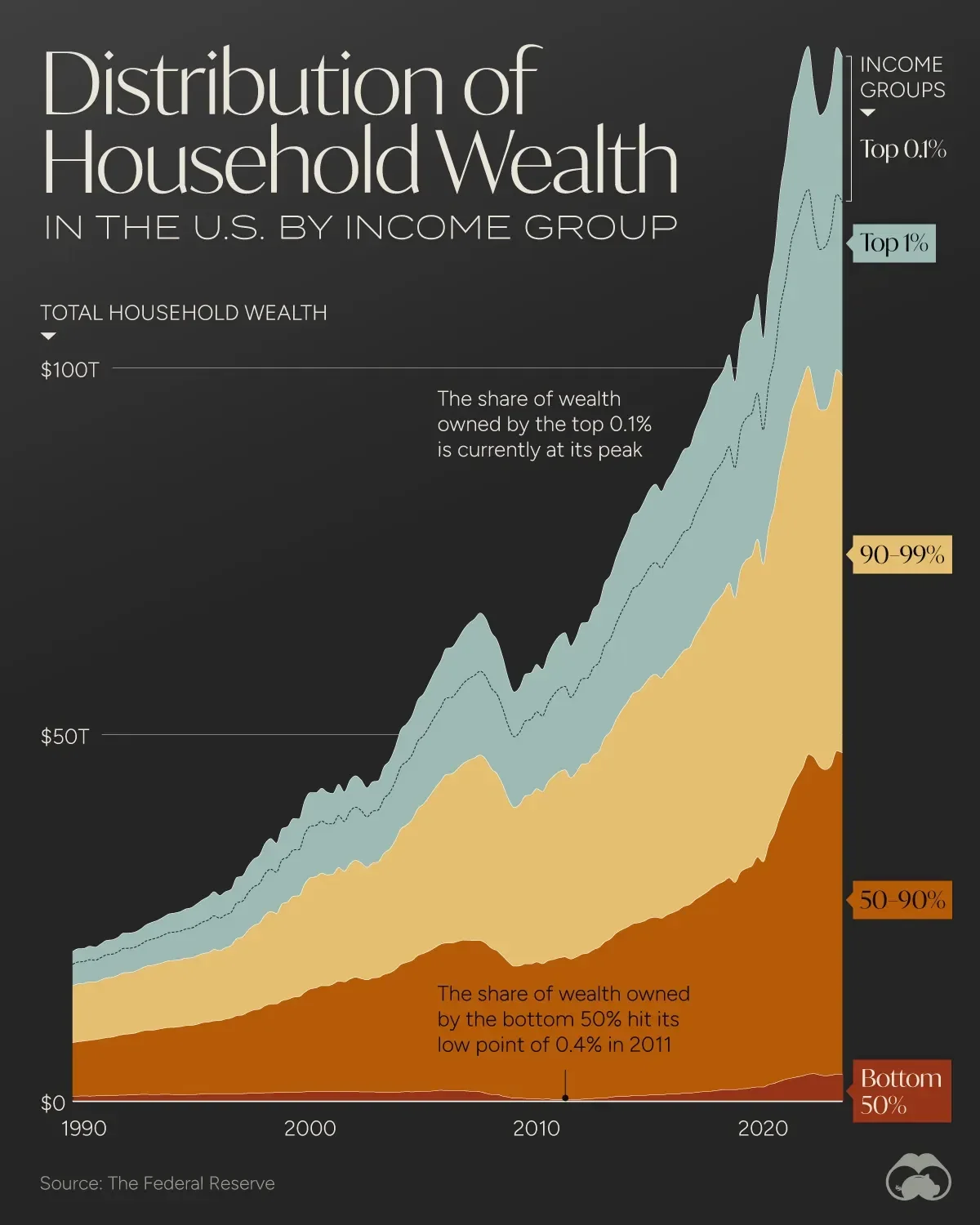
"Despite the idea that the United States is a country where hard work and pulling yourself up by your bootstraps will inevitably lead to success, this is often not the case. In 2021, 9.3 percent of U.S. households had an annual income under 15,000 U.S. dollars. With a small percentage of people in the United States owning such a vast majority of the country’s wealth, the gap between the rich and poor in America remains stark."
Many have turned to entrepreneurship in a means to make a livable income, creating small businesses to supplement yearly earnings with the allure of ease and success. But is everyone meant to be a business owner?
Of course the idea of controlling how and when we work is alluring to many. Yet this freedom can also create a cycle of instant gratification, encouraging us to constantly pursue new opportunities to make money while developing an increasingly expendable mindset towards relationships. When certain achievements are not reached within a set time frame, it can often lead to feelings of failure, frustration or burnout. Meanwhile, major corporations and companies continue to generate profits, benefiting from a culture that encourages individuals to constantly work, consume and strive for more.
Economic structures are primarily designed to maximize profit and many consumers have now adopted the same formula, whether knowingly or not. The pursuit of productivity and financial gain can begin to influence not only how we work but also how we approach our personal lives and relationships. Subtle suggestions embedded within advertising, social media and consumer culture can gradually alter our behavior, often without us fully recognizing their influence. As explored in “How Subtle Suggestions Can Alter Your Behavior” even seemingly insignificant cues can shape the choices we make and the values we come to prioritize.
Is this what we wish for our society, to reflect and see that so much of what we did was ultimately for money? Yes, we are struggling within an economic system that we are presumably forced to be a part of. But must we abandon our sense of morality in the process? Must we accept mediocracy? Built upon the foundational guise of financial gain?
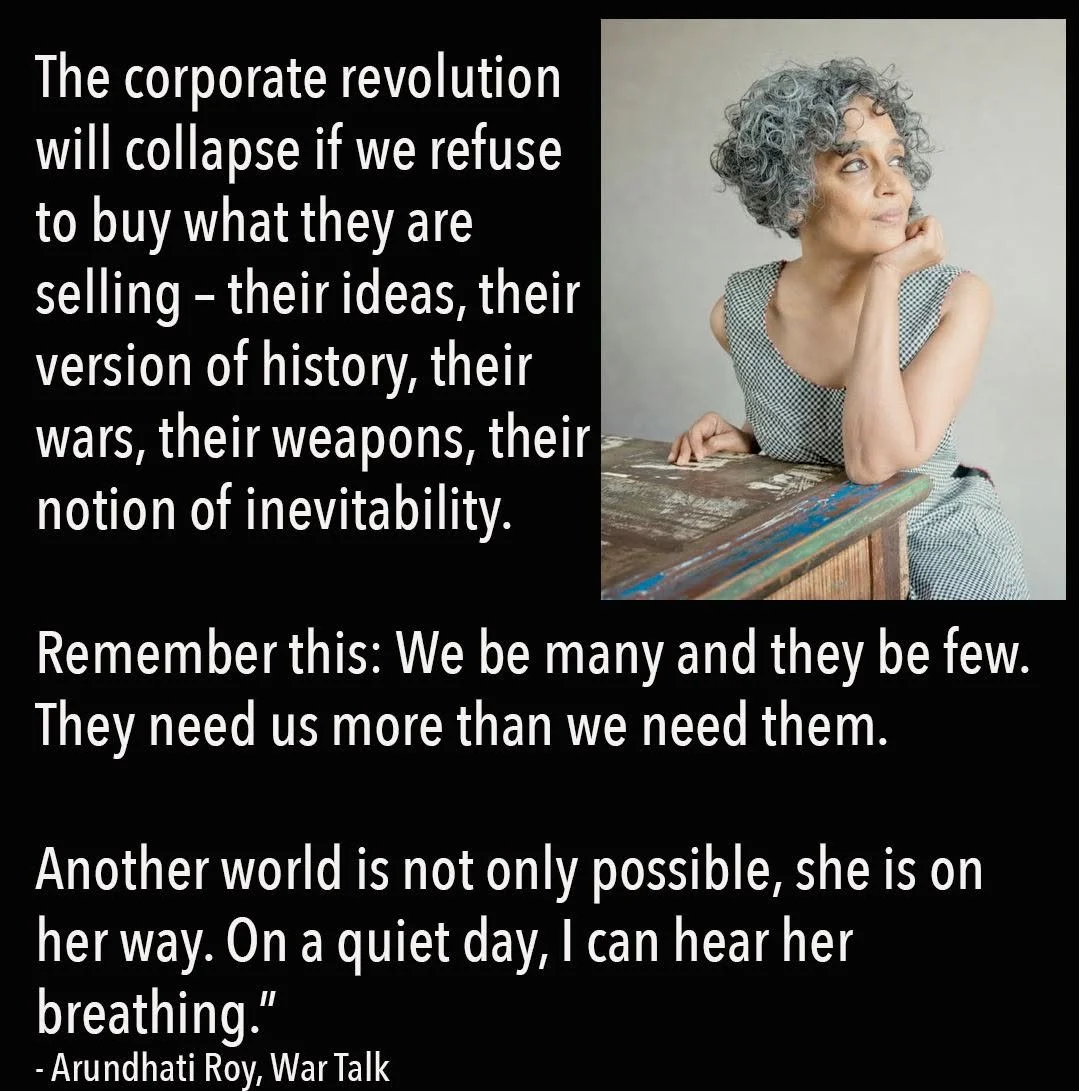
We have been conditioned to believe that there is no other way to live. That the path towards freedom and success is singular with no alternative. Perhaps we have become too complacent and accepting as a society.
So how do we stop things from getting worse? How do we survive what's coming? We have been living inside the change for so long that sometimes we forget we are still here in the present, every moment a choice. The future is not something coming for us, it is something we are making. So perhaps the question is not simply how we survive what comes next but what we choose to value and build in every moment we have.